Cost of Living in Green Bay, WI: 2025 Renter Guide
Deciding whether to move somewhere new involves a lot more than finding an apartment you like. It means figuring out whether your paycheck will actually stretch in that city, what your monthly bills will look like in January, whether you will spend more on groceries than you expected, and how much of your take-home pay will be left over at the end of the month.
Green Bay has a reputation as an affordable city. That reputation is largely earned, but the full picture is more nuanced than a single headline number suggests. This guide breaks down the actual cost of living in Green Bay by category so you can plan a real budget and decide with confidence whether this is the right move for you.
The Big Picture: Green Bay vs. the National Average
Let us start with the overview before getting into the specifics.
The cost of living in Green Bay is approximately 9.3% lower than the national average. For renters specifically, Green Bay's cost of living runs about 16.8% below the national average, with a renter's estimated monthly household expenses coming in around $3,963.
That is a meaningful advantage. For context, Green Bay's cost of living is approximately 10% lower than Chicago, 14% below Miami, 40% lower than Washington D.C., and 84% lower than San Francisco.
Green Bay is also 9% lower than the Wisconsin state average, meaning it is one of the more affordable cities in an already reasonably priced state.
The savings do not come evenly across every category, though. Some expenses in Green Bay are genuinely below average. A couple are slightly above it. Knowing which is which is the difference between budgeting accurately and getting surprised.
Rent: Where Green Bay Really Shines
Housing is where Green Bay's affordability advantage shows up most clearly, and it is the category that matters most for renters building a monthly budget.
Housing in Green Bay runs about 18.9% less expensive than the national average, with rent typically falling between $888 and $1,517 per month. For renters, housing averages around $1,444 per month, which is 31.1% below the national average for renters.
To put that in more concrete terms: the average rent for a one-bedroom apartment in Green Bay is around $942 per month, while a two-bedroom averages approximately $1,199. The median home sale price sits around $245,000.
Comparing that to Milwaukee sharpens the picture considerably. As of mid-2025, the average rent in Milwaukee is around $1,300 per month overall, with some luxury or newly built apartments going for over $2,000. Neighborhoods like the East Side, Third Ward, and Bay View tend toward the higher end of that range.
In Milwaukee, a renter would need to earn at least $5,707 per month or $68,484 per year to stay within the standard 30% housing guideline. In Green Bay, that same calculation requires only about $3,140 per month or roughly $37,680 annually.
That gap is not trivial. It is the difference between being financially stretched and having room to breathe each month. For renters who have been priced out of neighborhoods like Bay View or Shorewood in Milwaukee but do not want to sacrifice quality of life, Green Bay represents a genuinely compelling alternative. If you want to see that Milwaukee comparison in full detail, our breakdown of the true cost of living in Milwaukee walks through those numbers neighborhood by neighborhood.
What drives rent differences within Green Bay itself comes down to neighborhood and building type. Downtown Green Bay and the Broadway District command the highest rents in the city, while the East Side and Seymour Park area offer some of the lowest. Newer construction with in-unit laundry and modern finishes runs higher than older stock, as you would expect. But even the premium end of Green Bay's market is manageable compared to most major Wisconsin cities.
Utilities: Genuinely Lower, With One Important Caveat
Utilities in Green Bay come in well below national averages across most benchmarks, which is good news because Wisconsin winters require you to actually use them.
For a renter in Green Bay, utilities average around $318 per month, which is about 15.6% below the national average.
The average monthly residential electricity bill in Green Bay is approximately $149 per month, based on an average rate of 14 cents per kilowatt-hour. That rate is 18% lower than the Wisconsin state average.
Here is the caveat that every prospective Green Bay renter needs to hear clearly: Wisconsin winters are cold, and heating costs are real. Green Bay's winters are more severe than Milwaukee's and significantly more demanding than anything you would experience in most other states. The city sits on the western shore of Green Bay, a bay of Lake Michigan, and it picks up cold air and lake-effect conditions that push heating bills meaningfully higher from November through March.
Wisconsin Public Service has forecasted that typical residential customers can expect monthly bills to increase by roughly $13 per month due to higher natural gas costs and colder temperatures, with one local homeowner reporting their bill was up more than $40 compared to the same period the prior year.
Natural gas is the most common heating fuel in Wisconsin, with average monthly heating bills around $75 during moderate months, though those costs spike considerably in winter.
The practical implication for renters is this: when you are comparing apartments, utilities matter more than they might in a warmer climate. An apartment with included heat or with newer, efficient windows and insulation is worth paying a modest premium for. An older building with poor insulation and a tenant-paid gas bill can quietly add $150 to $250 per month to your winter expenses compared to a more efficient unit. Ask about average utility costs for the specific unit before you sign.
Beyond heating and electricity, budget for:
- Internet: Typically $50 to $80 per month depending on provider and plan
- Water and sewer: Often included in rent for apartment renters, but confirm this with your landlord
- Renter's insurance: Usually $15 to $25 per month and strongly worth having

Groceries: Close to Average, With Smart Ways to Save
Groceries in Green Bay run about 1.6% below the national average, with renters typically spending around $681 per month on food.
Specific grocery prices in Green Bay include a bottle of milk at around $4.65, a dozen eggs at approximately $4.20, and a pound of potatoes around $4.06.
Those numbers will be familiar to anyone who shops in Wisconsin. Green Bay is not a city where you will find dramatic differences from what you pay elsewhere in the state, but a few local advantages are worth noting.
The Saturday Farmers Market in downtown Green Bay runs through the warm weather months and is genuinely excellent. Local producers sell vegetables, dairy, meat, and specialty goods at prices that are often more competitive than grocery stores, and the quality is meaningfully better for fresh produce. The Wednesday evening
Farmers Market on Broadway is another option and doubles as a social event with food trucks and live music.
The major grocery chains in the area include Woodman's, Hy-Vee, Festival Foods, Aldi, Walmart, and Pick 'n Save. Woodman's in particular has a strong local reputation for value on staples and bulk buying. For a renter trying to keep grocery costs down, pairing a weekly Woodman's run with occasional farmers market shopping for produce covers most needs efficiently.
Dining out in Green Bay tends to be noticeably less expensive than in Milwaukee. A casual dinner at a sit-down restaurant will generally run $12 to $20 per person, and the breakfast and lunch scene is particularly affordable. For renters who eat out regularly, this matters as a budget factor in a way that grocery numbers alone do not capture.

Transportation: The One Category That Runs Slightly Higher
Transportation is where Green Bay's cost-of-living advantage shrinks slightly, and it is worth understanding why.
Transportation in Green Bay costs about 2.3% more than the national average, with renters spending approximately $398 per month on transportation.
Green Bay is primarily a car-dependent city. Most renters outside of the immediate downtown area will need a vehicle for daily life, including grocery runs, commuting, and most weekend activities. Green Bay Metro Transit operates bus routes, but coverage is limited compared to what Milwaukee County Transit System offers, and weekend and evening service is thin.
A gallon of gas in Green Bay runs around $3.13, which is broadly in line with Wisconsin averages. The higher transportation cost relative to the national average reflects the car-dependent geography of the city rather than any particularly expensive gas prices.
For renters downtown or in the Broadway District, a car is still useful but more genuinely optional. The walkability of those neighborhoods, combined with Green Bay's compact core, means some residents do manage without one. For most people living on the West Side near Lambeau, in Ashwaubenon, or in De Pere, plan on owning and operating a car as a baseline expense.
If you drive, the practical budget items to keep in mind are:
- Gas: Budget based on your commute, but roughly $80 to $140 per month for an average driver
- Car insurance: Wisconsin rates are generally reasonable; expect $80 to $130 per month depending on your record and vehicle
- Parking: Largely free in most Green Bay neighborhoods, which is a meaningful savings compared to Milwaukee or Madison

Healthcare: Meaningfully Below National Average
Healthcare in Green Bay runs about 8.3% below the national average, with renters spending around $132 per month.
An optometry check-up averages around $81.62 in Green Bay, and a dentist appointment is priced around $116.75.
Green Bay has a strong local healthcare infrastructure anchored by HSHS St. Vincent Hospital, Bellin Health, and the broader Aurora BayCare network. Access to specialists and routine care is good for a city this size, and the competition between health systems has helped keep costs more reasonable than in single-system markets.
For renters without employer-sponsored insurance, Wisconsin's marketplace plans tend to be priced competitively, and the overall lower cost of care in Green Bay means out-of-pocket expenses for routine visits add up less than they might in larger metros.
Putting It All Together: A Sample Monthly Budget for Green Bay Renters
For a single renter in a one-bedroom apartment in a mid-range Green Bay neighborhood like the Broadway District or West Side, a realistic monthly budget might look like this:
- Rent: $950 to $1,100
- Utilities (electricity, gas, water): $120 to $280 depending on season and building efficiency
- Internet: $60 to $75
- Groceries: $300 to $400
- Transportation (car ownership or transit): $250 to $400
- Dining out and entertainment: $150 to $300
- Healthcare (out-of-pocket, no insurance included): $50 to $150
- Renter's insurance: $15 to $25
That puts a comfortable single-person monthly budget somewhere between $1,900 and $2,700, well below what similar quality of life would cost in Milwaukee, Madison, or almost any comparably sized city in the Midwest.
For a two-person household sharing a two-bedroom, the per-person economics improve meaningfully. A $1,200 two-bedroom split two ways, combined with shared utilities and groceries, makes Green Bay one of the better value propositions in Wisconsin for renters who are splitting costs.
The Hidden Cost Nobody Mentions: Winter Preparedness
This deserves its own section because it surprises almost everyone who moves to Green Bay without prior Wisconsin experience.
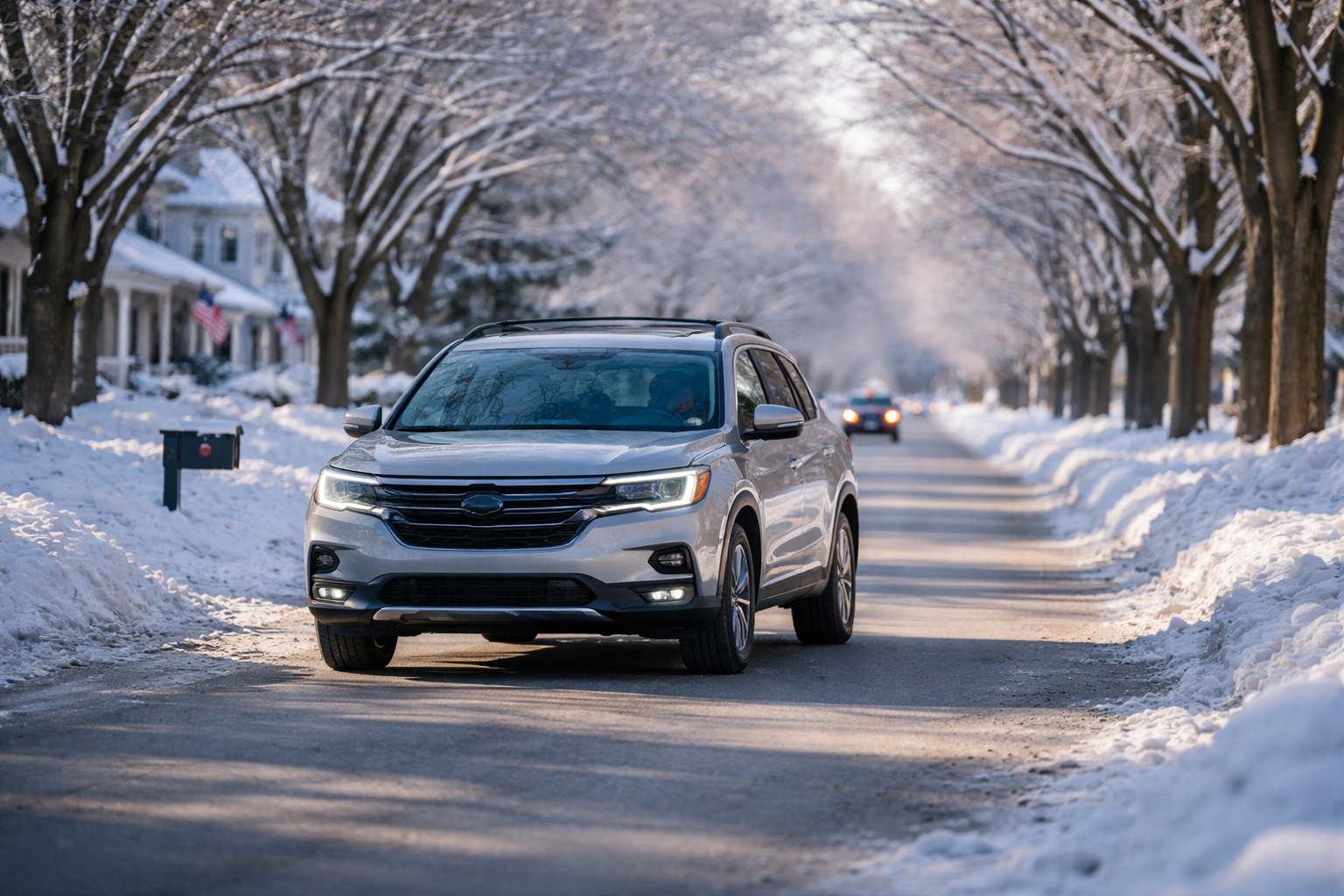
Winter in Green Bay is serious. The city sits in a geographic position that makes it colder and snowier than Milwaukee on average. Plan on budgeting for:
- A reliable, winterized vehicle or year-round maintenance on what you drive
- Heavier utility bills from November through March, particularly in older buildings
- Winter gear: boots, a real coat, gloves, and ice scrapers are not optional here
- The occasional cost of dealing with snow, whether that is a parking lot fee, a tow, or road salt for your car
None of this is prohibitive, but renters who move from warmer climates or from more urban environments with underground parking and heated buildings sometimes find winter costs caught them off guard. Factor it into your annual budget rather than your summer monthly budget and you will be in a better position.
Green Bay Gives You Real Financial Room
The case for Green Bay's cost of living comes down to something simple: your dollar genuinely goes further here. Not in a theoretical index number way, but in a practical, monthly, actual-money-in-your-pocket way.
Compared to Milwaukee, the average renter saves several hundred dollars per month on housing alone. Compared to Chicago, Madison, or any coastal city, the gap is larger still. That is money that goes toward savings, debt payoff, weekend trips up to Door County, or simply the freedom of not feeling financially squeezed at the end of every month.
For renters who are seriously comparing Milwaukee and Green Bay, take a look at our guide on the true cost of living in Milwaukee for a side-by-side view of how those two markets stack up across every major budget category.
See What Your Dollar Gets You in Green Bay
Numbers on a page are one thing. Seeing actual available apartments and what they include for the price is another. Browse our current Green Bay listings to see what is available right now across neighborhoods and price points. Whether you are looking for a downtown one-bedroom or a two-bedroom in a quieter West Side building, our team at Enigma Properties is happy to help you find the right fit and make sure the numbers work for your life.